
Some seeds germinate automatically once sown, others do not. Some require a soaking period, while others need the natural conditions essential for germination to be recreated indoors. Cold temperatures can break the dormancy of certain seeds.
Stratification is a technique that involves exposing seeds to cold temperatures in order to break dormancy. This alters the outer protective seed coat, softening it and making it permeable, thus triggering the seeds' germination capacity.
Can seeds be cold-stratified in the refrigerator?
Outdoors, seeds that need cold conditions to germinate will begin their germination process in winter. You can simulate winter by placing your seeds in the refrigerator, which recreates a cold and humid environment.
The seeds will need to remain in the refrigerator for a specific period, ranging from a few weeks to a few months. This will break their dormancy and ensure optimal conditions for germination.
To prevent the seeds from rotting and to ensure that they germinate, a precise (but simple) procedure must be followed.
Why use stratification?
In some dormant seeds, the germination process cannot be triggered without exposure to cold temperatures or winter. This process is necessary to restart internal mechanisms.
This is particularly true of maple, apple, lavender, peony and hellebore seeds. In nature, their seeds fall to the ground and endure a cold and wet winter, and then germinate in the spring. Stratification replicates this cycle in a controlled manner.
This not only accelerates germination, but it also increases success rates. Even better, it can reduce climate-related failure rates. Indoors, you're no longer dependent on a mild or dry winter that could leave the seeds dormant.
Which seeds need to be stratified?
Not all seeds need stratification. Some annuals, vegetables and easily germinating perennials prefer warmth and light to germinate. Subjecting them to cold and humid conditions by placing them in the refrigerator risks causing them to rot or delaying their development.
Stratification is particularly useful for perennial plants, trees and shrubs with seeds that require a period of cold before germinating.
How long does cold stratification take?
In many cases, cold stratification will only require three weeks, but as this depends on the variety of the plant, it is best to know the exact time required before starting.
Here are some examples of cold stratification durations (in a refrigerator at 1–5 °C) for popular plants, as a guideline. The freshness of the seeds and the variety may influence the time required for the process.
1-2 weeks: lupine
2-4 weeks: echinacea, gaillardia, delphinium, strawberry
4-6 weeks: spruce
4-8 weeks: lilac, penstemon, pine
6-8 weeks: lavender, rudbeckia, bee balm
8-12 weeks: pear, apple, maple, raspberry, mulberry
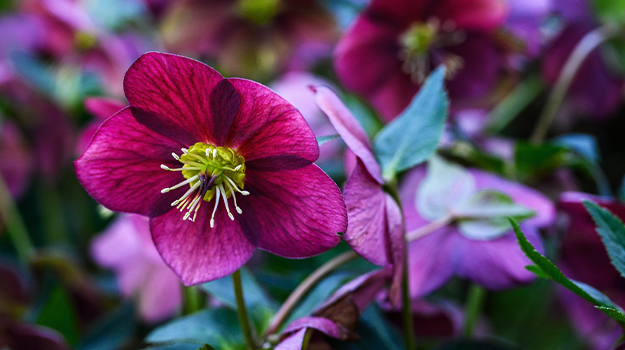
10-12 weeks and over: peony, hellebore
What is the ideal temperature for germinating seeds?
While cold storage is an excellent method for preserving seeds longer, to initiate the stratification process, the refrigerator temperature should be between 1 and 5 °C.
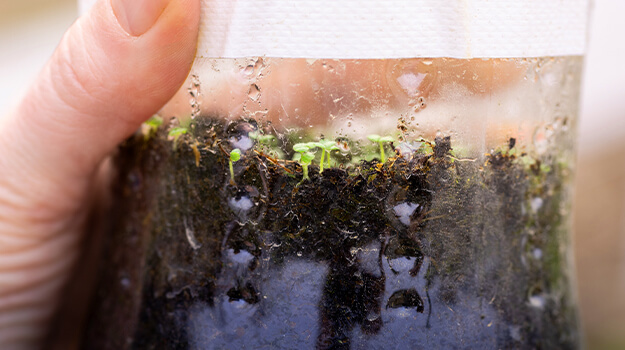
To prevent them from drying out or rotting, the seeds you want to stratify should be mixed with moistened growing medium and kept in an airtight bag or container in the refrigerator for a few weeks to a few months.
How to cold stratify seeds
Here are the steps to follow for cold stratification in the refrigerator.
1. Seed selection: Choose healthy and mature seeds. If necessary, clean them to remove any plant matter that could surround them and cause them to rot.
2. Seed preparation: Place the seeds in a small plastic bag containing PRO-MIX Seed Starting Mix or PRO-MIX Vermiculite. Add a little water (the substrate should be moist, not soggy), then seal the bag or container tightly.
3. Labelling: On the bag, pot or label, write the name of the plant, the date and the number of weeks it must be refrigerated.
4. Refrigeration: Place the bag in the refrigerator for the required duration depending on the plant variety.
5. Monitoring: Check the seeds weekly and aerate them for 1 to 2 minutes if needed. Ensure the growing medium remains moist and that the seeds do not become moldy.
6. Sowing: Once the stratification period is over, surface sow the seeds (they need light to germinate!) in starter pots or trays filled with seed starting mix. (If the temperature allows, you can also sow them in the garden in a designated spot, taking care to lighten the soil by mixing it with garden soil.)
7. Germination: Place your seedlings in a bright location, out of direct sunlight. Keep the soil moist (never soggy) until small shoots appear.
Don't forget to fertilize your seedlings to ensure strong, healthy plants.
8. Transplanting: When the plants are strong enough, and once all risk of frost has passed, transplant them into the garden. Choose a light and fresh soil mix that will encourage good root development.
Read our article to discover our best tips to successfully start seeds.
How to prevent my seeds from rotting?
Mold growth is quite common during cold stratification. If mold is present, remove the healthy seeds. Rinse them and then let them dry (30 minutes on absorbent paper) before placing them back in the refrigerator in fresh, barely moistened growing medium.
Will my seeds germinate during cold stratification?
Seeds sometimes germinate during the process. If you notice fine roots, sow your seeds immediately.
What happens if I don't cold stratify my seeds?
In the case of seeds that need it, omitting cold stratification risks reducing the germination rate drastically. When they don't receive the signal to wake up, seeds use up their energy by taking too long to germinate, which leads to a loss of vigour.
The seeds that do germinate will take longer than expected, unnecessarily prolonging the germination period and disrupting fertilization or transplanting times. Some may even be hastily discarded, being considered dead.
If you don't want to stratify the seeds that require it, the best approach is to let nature take its course. Simply sow them outdoors from August to October, and let winter do the work. The seeds will germinate naturally in the spring!
What are some common stratification mistakes?
Mistake #1: Letting the seeds dry out in the refrigerator
Check the moisture level regularly to ensure it is high enough. If the soil has dried out, lightly mist it with water.
Mistake #2: Letting the growing medium get moldy
Make sure the refrigerator temperature does not exceed 5 °C.
Mistake #3: Putting seeds in the freezer
In northern regions, when temperatures drop well below freezing, the seeds that fall to the ground in autumn are protected by thick layers of snow. Putting seeds in the freezer to speed up the process risks damaging their cells and may even kill them.
Stratification is an essential step in the germination process of some flowers. In fact, plants native to northern regions usually rely on winter to initiate this process. When sowing perennial flowers, the best way to ensure good results without having to worry about stratification is simply to sow them in the garden in the fall!
