
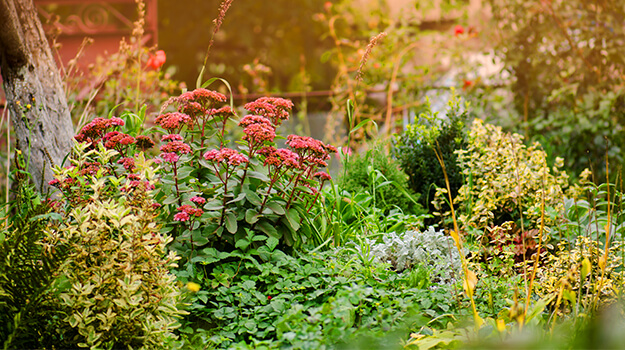
At a time when climate change and digital overstimulation are worrying, gardening offers a way to take concrete action on one's environment and transforms challenges into opportunities by using creativity, ingenuity and originality.
We no longer plant simply to create a pleasant environment. We seek to have a positive, visible and immediate impact, to give back to the community, and to contribute to the preservation of the planet. The garden becomes the only place where, from chaos, something constructive, exhilarating, larger than life can emerge!
Time for rewilding
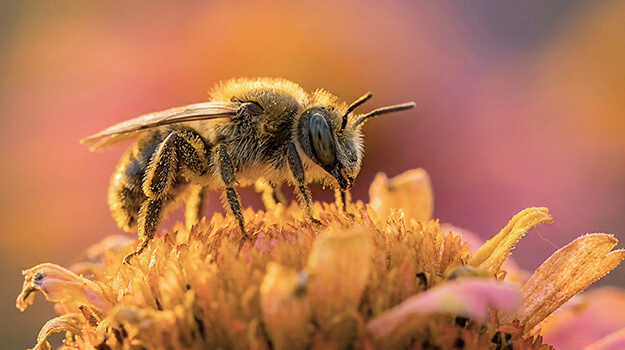
Rewilding offers ecological restoration on a large or small scale by allowing nature to reclaim its space. In the name of biodiversity, nature is allowed to self-regulate and give rise once again to richer and healthier landscapes, for the good of the planet and humanity.
When it comes to gardening, the question is no longer "what do we plant" but rather "why do we plant": we plant with the idea of giving back to pollinators, communities and the planet.
Limiting human intervention, reintroducing extinct species, scattering wildflowers and leaving patches of land fallow all contribute to ecosystem restoration. This strengthens their resilience to climate change and their defenses against invasive alien species.
Impeccable lawns, drastically trimmed shrubs and monoculture flower beds are things of the past, as is the use of chemical herbicides and pesticides. The focus is now on organic products and ecological practices to restore a precious natural balance that has been disrupted for too long.
The garden, a reflection of individuality
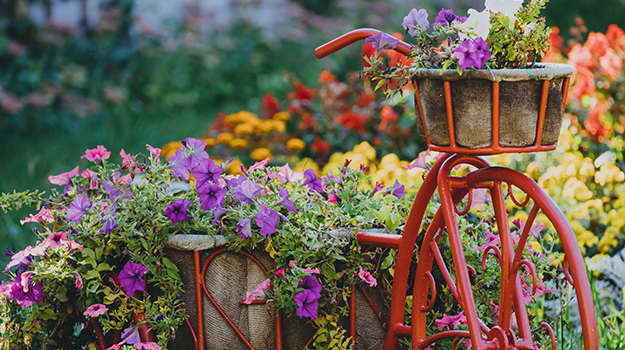
The garden is becoming more accessible. It adapts not only to different spaces, but also to different aspirations. Authentic and unpredictable, it first and foremost expresses who we are. In fact, the garden tells our story. It serves as an introduction and prepares us for a unique sensory experience, while outdoor living spaces reveal who we are and the dreams we have.
The new generation of gardeners is particularly contributing to popularizing the idea that a garden should express who you are. They enjoy discovering and experimenting, integrating homemade objects into the landscape, and favouring bold styles over traditional and predictable flower beds.
Andrew Bunting, vice president of horticulture at the Pennsylvania Horticultural Society (PHS), which has held one of the world's largest horticultural events since 1829, confirms this: "The trends of 2026 reflect how gardeners experiment, learn and find joy in every corner of their garden. Gardening continues to evolve as people explore new ways to connect with nature, express their creativity and cultivate food and beauty in their own spaces."
Gardening in the age of AI and social networks
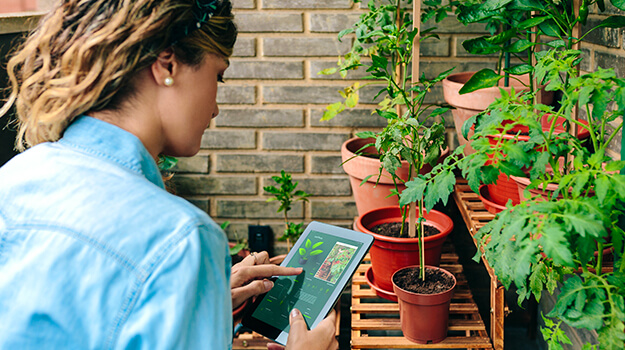
We dive into the world of social media to discover practical tips, advice, ideas and inspiration. We entrust AI with the task of endlessly redesigning our outdoor space. With a click, we can learn how to propagate a rose or a hydrangea, make an orchid bloom again, grow lithops…
That said, maintain a critical eye on eccentric recommendations and unrealistic images. And above all, when putting the advice into practice, rely on reliable sources and follow the advice of professionals.
The knowledge acquired over time transforms the garden into a fun laboratory that gives rise to happy surprises and where failure simply serves as an excuse to start again!
Colour of the year 2026

A real phenomenon in Asia for the past few years, the colour kusumi is conquering the West. Organic and timeless, this powdery shade evokes the passage of time: faded petals, dried flowers, faded clothing…
For 2026, it is predicted that this neutral pink, both sophisticated and romantic, will gain ground in the garden amidst lush landscapes, highlighting both weathered wood and vintage ceramics.
Our favourite plants of the year:
- Hydrangea arborescens American Lace Pink
- Hydrangea paniculata Pink Shades
- Nandina Blush Pink
- Abelia Suntastic Pink
- Camellia October Magic Dawn
- Hibiscus Pink Chiffon
- Peony Itoh Old Rose Dandy
- Hybrid tea rose Mother of Pearl
- Hybrid tea rose Princess Charlene of Monaco
- Scabiosa Pink Mist
- Strawflower Silvery Rose
- Chinese astilbe Vision in Pink
- Hollyhock Cottage Rose Apricot
- Hollyhock Majorette Double Champagne
- Daylily Scottish Fantasy
- Daylily Luxury Lace
- Philodendron Pink Princess
Collecting plants is trendy!
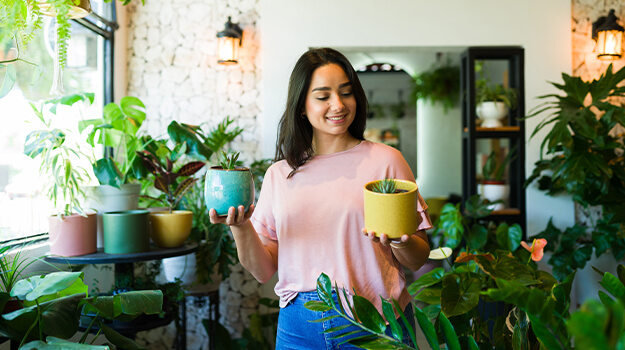
Collections are making a big comeback. In contrast to the throwaway culture, it offers a sense of calm by emphasizing the permanent and lasting nature of things.
While technology facilitates research, influencers fuel the collectors' enthusiasm, and the fastest-growing category is undoubtedly plants. They're the new Pokémon to hunt and collect!
On TikTok and Instagram, influencers identify the stars of the moment and drive up the bids: rare cultivars, sought-after foliage colours, amazing variegation, dots, contrasting veins…
Many are also passionate about forgotten plant varieties and heirloom vegetables. They collect flower seeds from century-old gardens or from producers who share the goal of planting not only for beauty, but above all to preserve the treasures of the past.
Tip: In the age of artificial intelligence, you shouldn't always trust what you see. Many resellers offer non-existent plant seeds online, so avoid falling in love with a pink monstera!
Pet-friendly gardens
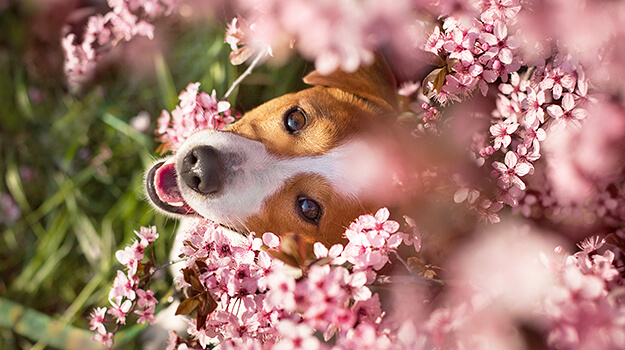
According to a study, 70% of amateur gardeners own a pet, and 87% of them consider their companion a member of the family. No wonder outdoor spaces are evolving to accommodate them!
The lawn must be thick and lush (and resilient), as our pets love to roll around in it. Create shady areas under trees and shrubs, play areas and water features. Choose plants that are safe for animals and plant soft ground cover between your paving stones.
In addition to traditional pets, miniature horses, therapy goats and laying hens are now popular. Ducks, geese, quail and pigs are also all the rage on social media. This undoubtedly aligns with the broader trend of returning to nature.
Indoor plants to create a jungle effect outdoors
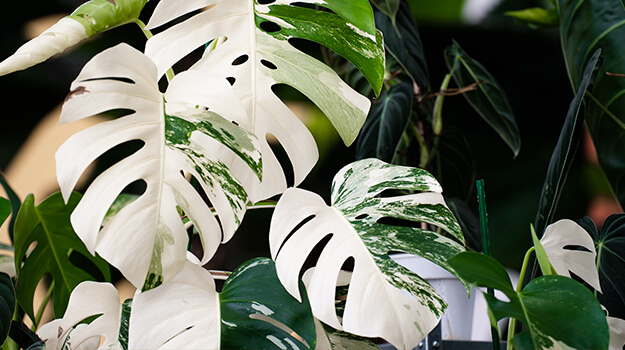
According to the Royal Horticultural Society, the sales of houseplants increased by 15% last year, surpassing those of bedding plants and herbs.
Houseplants are becoming a global obsession, and the stars of the moment belong to the Araceae family: philodendron, pothos, peace lily, monstera, anthurium, alocasia, caladium, zamioculcas, dieffenbachia, etc.
These plants can easily be moved inside or outside to enjoy that much sought-after jungle effect year-round, both in the house and in the garden.
Maxi and mini sizes
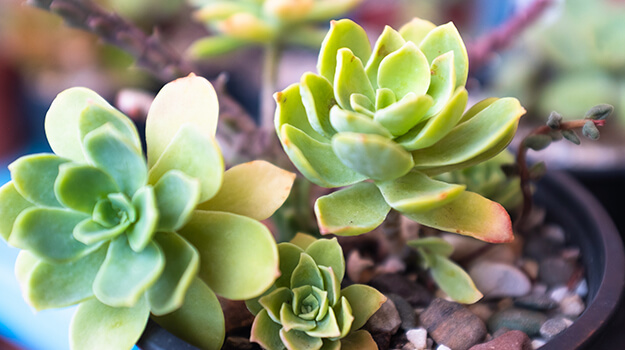
Indoors and out, extremes are being cultivated. Large tropical plants are increasingly taking up more space in gardens, houses and apartments, creating a much-loved jungle effect. Their lush, oversized leaves with their extravagant appearance are particularly prized.
We're also falling for the micro-garden, with dwarf varieties being more numerous than ever. Balconies and patios are filled with conifers, roses and vegetables. Sweet peppers, compact eggplants, mini cucumbers in hanging baskets and even short grapevines are among the varieties that are constantly gaining popularity. They're so easy to grow and require so little space that anyone can grow them.
Edible landscapes: a world of possibilities

When times are tougher, vegetable gardens gain popularity, that's well known, but the current trend goes beyond that. Amateur gardeners are becoming more adventurous. They want to discover, experiment, create and surprise. Inspired by passions like cooking and travel, they seek to produce unique and sophisticated edibles and grow exceptional plants that will enrich their landscape.
Dwarf figs, persimmons, pineapples, Saskatoon berries, peanuts, pawpaws… the aim is to produce unique foods, even if it means growing them indoors during the colder months. Black currant is experiencing a resurgence in popularity with new sweet varieties that can be enjoyed without any preparation.
Waterwise gardens

To better adapt to and demonstrate resilience in the face of climate change, gardens are being redesigned to allow them to withstand heat waves. Xeriscapes, alpine gardens, dry gardens and Mediterranean gardens all feature hardy plants that are both drought-tolerant and low-maintenance.
Tomatoes: as popular as ever
With our increasingly hot and dry summers, tried-and-tested traditional varieties like Shirley and Sungold enjoyed tremendous success last year, and growers are predicting strong demand in 2026.
New disease-resistant varieties have also gained popularity with home gardeners, as have organic tomato varieties. To have access to more varieties, and for the satisfaction of watching them grow, start your tomato seeds during the winter!
The craze for hydrangeas
In horticulture, many trends are fleeting, but the popularity of hydrangeas in North America has endured, remaining a must-have in gardens and enhancing the beauty of century-old homes, historic mansions and elegant seaside villas.
Each year, renowned growers offer new varieties with larger flowers, more intense colours, more spectacular blooms, earlier flowering and longer-lasting blooms. While the new varieties are certainly appealing, the classics remain.
Flower farms
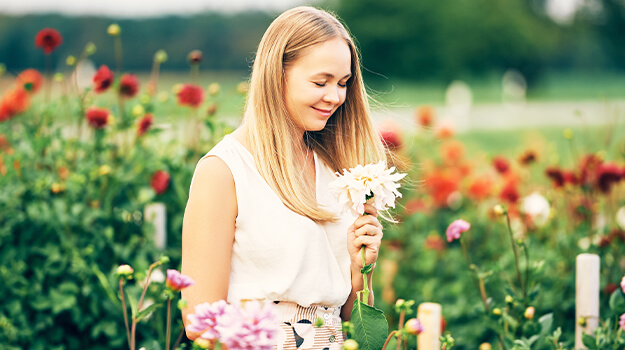
Flower farms are multiplying across North America, transforming the way people create, appreciate and buy their bouquets. Some offer the option of picking your own flowers, while others provide monthly delivery of seasonal bouquets.
Their success can be attributed to the Buy Local movement, which provides access to fresher produce while supporting the local economy and small businesses. We also appreciate that the flowers are grown sustainably and have a low carbon footprint, as they require no transportation or preservation method.
In 2026, the garden is meant to be more vibrant, more personal and more responsible. Whether we embrace rewilding, experiment with AI or focus on unusual edibles, the important thing is to try. Because in the garden, every season is a new opportunity to learn.


