
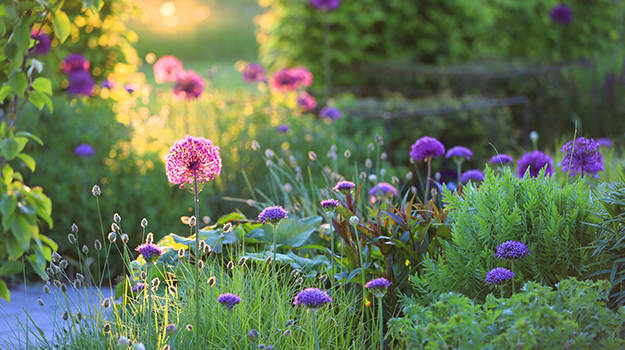
Ecological practices are more popular than ever. Here is a practical guide that brings together the various actions that support the garden of the future.
Promote biodiversity
- Grow native plants, which are more resilient and provide more nutrients for local birds and insects.
- Plant a wide variety of plants: annuals, perennials, aromatic herbs, shrubs, trees and edible plants such as berries.
- Create a wildflower garden.
- Choose hedges over fences, windbreaks and living screens over built structures.
- Build insect hotels.
- Encourage birds to visit your garden.
- Plant nectar-rich flowers (borage, lavender, yarrow, cosmos, calendula) and spread their flowering periods over the whole year.
- Install nesting boxes, bird feeders and shallow water features for birds and pollinators.
- Avoid bright lighting in the evening and turn off outdoor lights during the night.
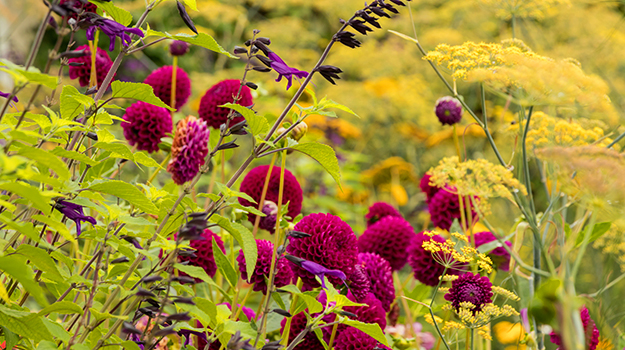
Protect vulnerable species
- Work to eliminate or limit the spread of invasive exotic plants that damage ecosystems and harm biodiversity.
- Before planting, make sure the chosen plant doesn't pose a threat in your area.
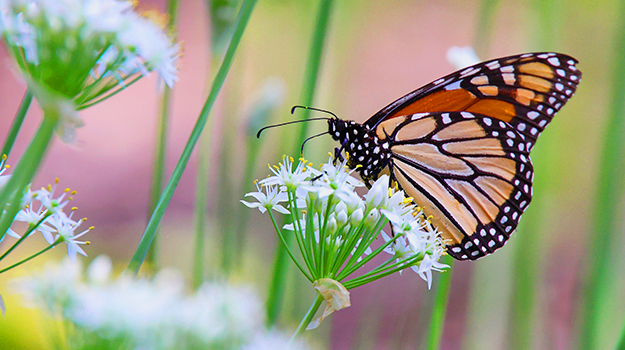
- Plant milkweed. It's the only plant monarch caterpillars feed on!
- Install a bat house. They'll thank you by devouring countless insects every night.
- Leave a portion of your land wild... it will quickly become a haven for bird, insect or small mammal species you've never seen in your garden before!
Save water in the garden
- Choose plants adapted to your climate and region to reduce water needs.
- Apply mulch to limit evaporation and reduce water requirements.
- Collect rainwater.
- Water at the base of plants to prevent diseases and limit evaporation. Water early in the morning and favour drip irrigation or soaker hoses.
- Provide heat-sensitive plants with partial shade in the afternoon by planting them near trees and large shrubs.
- Improve soil conditions by adding quality potting soil and organic matter to promote better water retention.
- Replace fragile plants with drought-resistant varieties.
- Discover techniques to create resilient gardens that will thrive even under drought conditions.
Rethink the vegetable garden
- Organic growing is better for your health and the planet.
- Avoid deep tilling in the spring, as it disturbs soil microorganisms.
- Favour physical barriers (sand, beer, insect netting) or organic products over chemical pesticides, which kill both beneficial and harmful insects and destroy ecosystems.
- Practice crop rotation. Never plant the same vegetables in the same spot two years in a row.
- Respect planting distances to prevent the spread of diseases.
- Choose disease-resistant plant varieties.
- Use compost and organic fertilizers. Avoid synthetic products.
- Practice companion planting.
- Discover organic gardening methods that allow you to obtain more vegetables with less human intervention.
- Compost to reduce waste and feed the garden.
- Use mulch to save water and limit the spread of diseases.
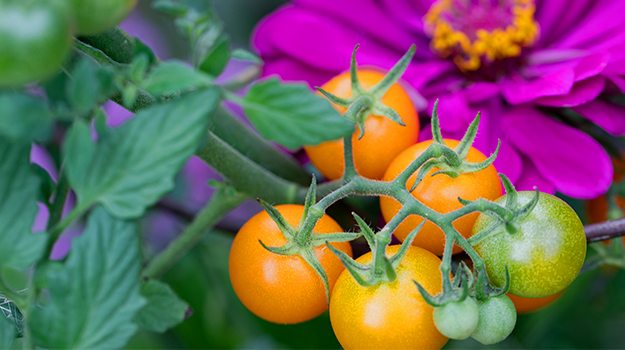
- Plant flowers near vegetables to encourage pollination and ensure a bountiful harvest.
Encourage beneficial insects
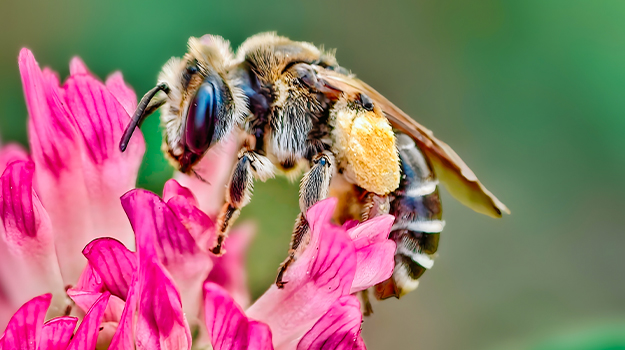
- Cultivate a pollinator garden or a wildflower meadow.
- Feed bees early in the season or between blooming periods.
- Provide water for pollinators but make sure they cannot drown (learn how in our article).
- Tolerate the presence of bumblebees, wasps and honeybees in locations where they pose no threat.
Learn to appreciate an imperfect garden
- In flower and vegetable gardens, use mulch (cedar mulch, shredded dry leaves, straw, etc.) to protect and feed the soil, improve its condition and eliminate weeds.
- Treat lawns only when problems arise rather than preventively. Remember that a healthy, fertilized lawn is more resistant to pests!
- If necessary, use organic herbicides to spot treat your lawn. Avoid generalized treatments.
- Let the grass grow longer in certain areas of the yard (if ticks aren't a problem in your region).
- Pile up fallen leaves, twigs, branches and other garden debris in a corner of the yard to create a haven for insects.
- Prune trees and shrubs only when necessary to avoid disturbing nesting birds.
- Postpone yard cleanup until spring so insects and birds can find food and shelter during the colder months.
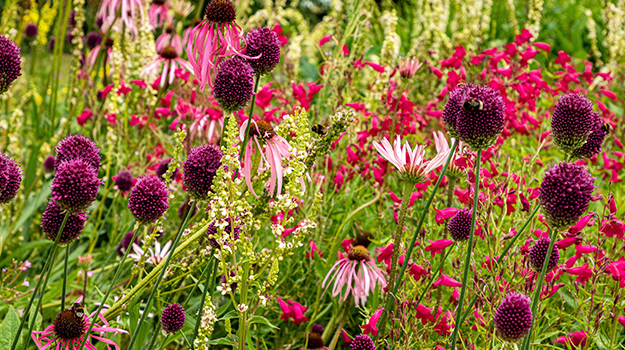
By protecting vulnerable species, conserving water, rethinking the vegetable garden and accepting a certain level of spontaneity, we create a healthier environment for ourselves… and for the planet.
