
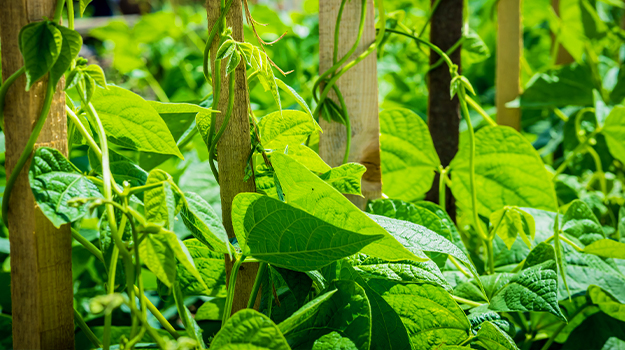
Want to optimize your garden space and increase your yield? A vertical garden is a method of growing plants upwards. Extremely practical when growing on a balcony or terrace, it allows you to maximize space while enjoying a small, high-yield vegetable garden. In the garden, it also offers significant advantages, not only increasing growing space but also creating rich and lush landscapes.
The first step to success is choosing what to grow in a vertical garden. While climbing plants are a great alternative, trellis plants complement them perfectly.
The advantages of a vertical garden:
- increases growing space
- maximizes space by using existing supports such as walls, trellises and even stairs
- keeps plants healthy by improving aeration
- makes harvesting easier
- keeps fruits clean
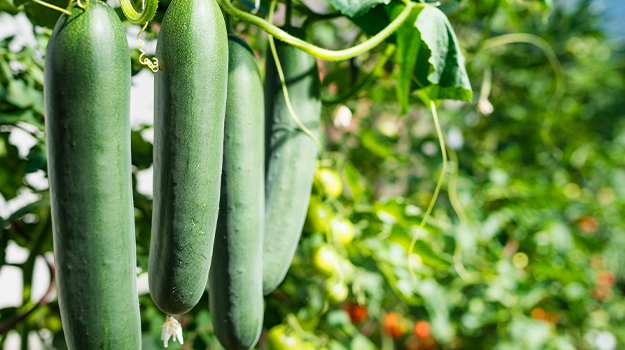
This vertical gardening method has its advantages… not to mention that it's creative and can be very aesthetically pleasing. Just imagine a lush pergola covered in deep green cucumbers alongside colourful honeysuckle blossoms!
What is a climbing plant?
Most plants have stems that are strong enough to support their growth, as well as that of their flowers and fruits. Climbing plants, which often have flexible stems, must lean on a support (natural or artificial) to climb.
To do this, they develop growing behaviours that allow them to twine around a support (these are called twining stems), or to anchor themselves using tendrils, hooks or adhesive roots (holdfasts or suckers).
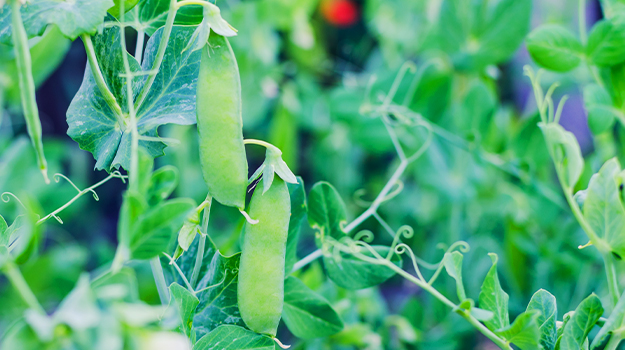
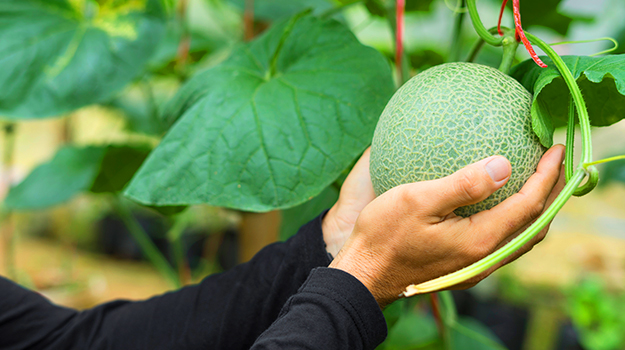
Their climbing method will influence the type of support they need. Twining stems (beans, wisteria, honeysuckle, some ivies) can climb around trees or poles, while tendrils (sweet peas, clematis, melons, squash and cucumbers) will need netting, wire mesh or ropes to help them climb. Finally, those with suckers (climbing hydrangeas, vines) may need a little help at first but will continue their ascent on their own by attaching to many surfaces, including brick walls.
Regardless of how the plants climb, the main objectives are the same:
- Quickly reach light without investing the energy needed to develop wood or thick stems
- Rapidly colonize vertical surfaces
- Avoid competition for space and light on the ground
What else can you plant in a vertical garden?
The goal of a vertical garden is to optimize space, light and access to watering, while minimizing weight and maintenance. To enjoy variety, you shouldn't limit yourself to climbing plants.
Some plants are perfect for vertical gardens, even if they don't have the characteristics that would allow them to do so on their own. These plants need to be tied to climb. Classic examples include tomatoes, zucchini, some clematis varieties and roses.
What plants can you trellis?
Beyond vegetables, which are almost always grown on supports, here are some other edible plants worth trying:
- Basil
- Strawberries
- Ginger
- Mint
- Oregano
- Sweet potatoes
- Aromatic sage
- Jerusalem artichoke
- Some spinach varieties
- Melons
What plants can you grow on walls?
Finally, many edible plants are perfect for growing on walls, in baskets, canvas, planters, grow bags, etc. Various original supports can also be made. These are ideal for plants that occupy limited space, are lightweight and have shallow roots, such as most leafy greens and herbs, but also strawberries and radishes.
Can creeping plants climb?
Creeping plants can almost always become climbing plants if given a support to climb. If their ground space is restricted, they will also tend to climb up a wall, fence, low wall, etc. They will generally need to be tied and trained.
Which vegetables can be trained to climb?
The plants best suited to a vertical garden are leafy greens, cucurbits (cucumbers, squash, melons, etc.), herbs, strawberries, peppers and tomatoes, which are perfect for vertical gardens and offer high yields in a limited space.
Compact and dwarf varieties are preferred, as well as those that produce smaller, lighter fruit.
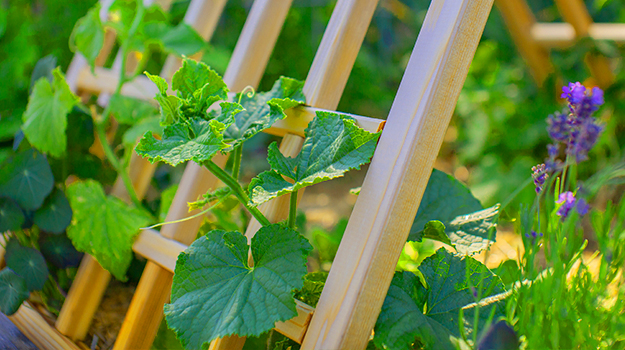
What are the best vegetables to sow for a vertical garden?
- Herbs (basil, parsley, cilantro, chives, mint): Perfect for vertical pots. Grow mint (which can be invasive) on its own!
- Root vegetables (radishes, carrots, beets): Choose short or round varieties, ideal for growing in shallow containers.
- Swiss chard: Tolerates close planting.
- Cherry tomatoes: Choose compact or dwarf varieties.
- Cucumbers and gherkins: Opt for small, light-fruited varieties like Lebanese cucumbers.
- Climbing beans: Excellent yield per square metre.
- Leafy greens: Shallow roots, fast growth, perfect for growing in bags, vertical garden towers and wall planters.
- Dwarf snap peas and sugar snap peas
- Compact zucchini: Choose baby zucchini to limit weight and opt for bush or climbing varieties.
- Squash and melons: Choose varieties with smaller fruit and use sturdy supports.
- Strawberries: Perfect in towers or pockets, everbearing varieties produce continuously.
- Peppers and chili peppers: Choose dwarf varieties with a compact habit.
- Dwarf eggplants: Opt for dwarf varieties.
Consult the sowing calendar for your hardiness zone to find out when to sow and transplant in the vegetable garden in your region.
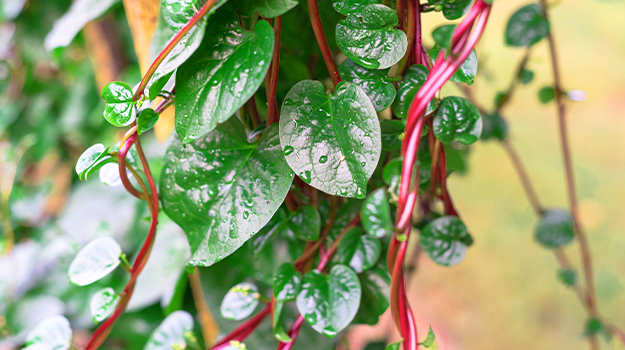
Which tomatoes for a vertical garden?
Tomatoes are a must-have in the garden. In a vertical garden, choose indeterminate tomato varieties, which are more slender than stocky and can reach a height of 2 metres, or even more. These continuously growing varieties grow and produce fruit throughout the season until frost. Since they are not climbers, they need sturdy supports.
The best tomatoes for vertical gardening:
- Regular tomatoes: Micro Tom, Red Robin, Minibel
- Compact tomatoes: Andrina, Red Robin, Tiny Tim or Sweet'N'Neat
- For taller structures: Mexican Honey, Black Cherry, Gold Nugget, Roma
- Cherry tomatoes: Tumbling Tom, Totem, Maskotka, Vilma, Patio, Heartbreaker Vita
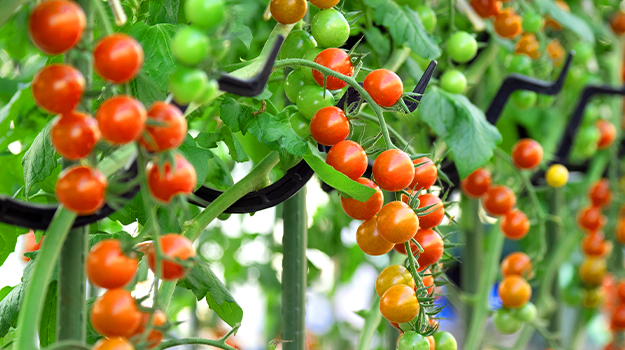
What are the best varieties to grow in a vertical garden?
- Bell peppers: Mohawk, Redskin, Orange/Red Snack, Sweet Banana (compact), Mini Bell
- Chili peppers: Prairie Fire, Numex Twilight, Basket of Fire (drooping)
- Cucumbers: Iznik, Picolino, Socrates, Minipick, Patio Snacker
- Zucchini: Bush Baby, Astia, Patio Star, Black Forest
- Eggplants: Pinstripe, Patio Baby, Ophelia, Fairy Tale
- Dwarf and climbing beans: Mascotte, Tavera, Cobra, Blauhilde
- Peas: Norli, Sugar Ann, Tom Thumb, Delikett
- Lettuce: Little Gem, Tom Thumb, Lollo Bionda/Rossa, Salad Bowl (green and red)
- Leafy greens: Malabar spinach
- Compact greens: Arugula, mizuna, Bright Lights, Perpetual Spinach
- Radishes: 18 Days, Cherry Belle, French Breakfast
- Carrots: Paris Market, Thumbelina
- Turnips: Tokyo Cross
- Beets: Choose baby varieties suitable for container growing
- Herbs: Dwarf basil (Greek basil, Piccolino), compact thyme, compact oregano, compact savory, compact curly parsley, chives, coriander, mint (Moroccan mint, chocolate mint), dwarf rosemary (Blue Boy)
- Everbearing strawberries: Mara des Bois, Albion, Charlotte, Evie-2
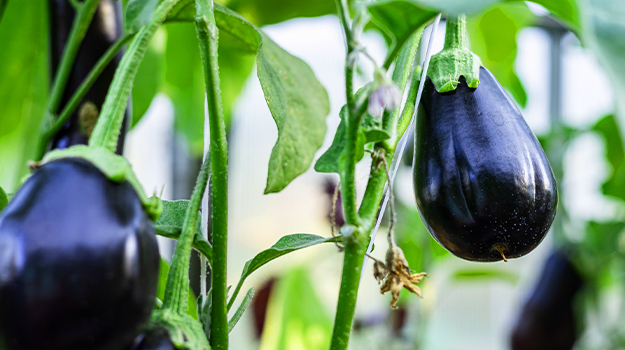
What to plant in a vertical garden to attract pollinators
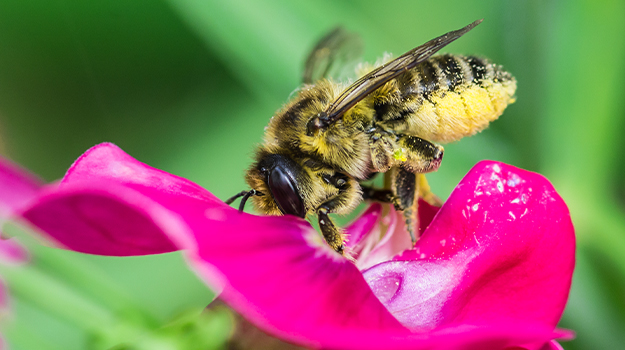
Climbing and trellised plants transform a vertical garden into a veritable buffet for pollinators. Here are the best edible and nectar-rich options that guarantee a bountiful harvest.
Nectar-rich edible climbers
- Scarlet beans: long flowering period and edible young pods
- Peas and snap peas: fragrant flowers and early harvest
- Cherry tomatoes: abundant flowering
- Climbing nasturtium (Tropaeolum majus): rapid growth, edible flowers and leaves
- Cucumbers and gherkins: numerous flowers that attract bees
- Squash: large yellow flowers rich in pollen, loved by bumblebees.
Tip: opt for compact varieties!
Climbing or trailing flowers, allies of the vegetable garden
- Black-eyed Susan (Thunbergia alata): continuous flowering that attracts bees
- Hops (Humulus lupulus): attracts bees in spring and quickly covers the space
- Sweet pea (Lathyrus odoratus): fragrance and nectar for butterflies and bees.
Tip: add it to your vegetable trellis
Vertical gardening opens the door to a whole new way of growing and invites us to discover original varieties that have the advantage of producing abundantly in small spaces. While you're experimenting, why not try climbing blackberry on a trellis?
Also discover the groundnut, a nutritious and easy-to-grow native vegetable, as well as the fascinating and flavourful goji berry, which is cultivated in northern regions.
