
TABLE OF CONTENTS
- The best tomatoes to grow in northern regions (zones 2-3-4)
- What are the best tomatoes for zones 5 and 6?
- The best mid-season tomatoes (zones 7-8)
- Late-season tomatoes: which varieties to plant for amazing yields?
10,000 to 15,000 tomato varieties have been identified worldwide until now; all derived from the species Solanum lycopersicum. You undoubtedly have your favourites, but what if we gave you a list of the tomatoes that perform best in your specific climate?
Some regions have shorter summers, others longer. Some have very mild or extremely harsh winters. Tomatoes also have their preferences. Therefore, a plant can survive and grow in a given area without necessarily reaching its full potential and delivering its optimal flavour.
In this guide, we have compiled the best tomato varieties for a particular climate, indicating, next to the name, the hardiness zones where it is possible to grow them if you want to try them, keeping in mind that the harvest could be less abundant.
For example, if you're growing in zone 3, you can plant Pink Bumble Bee, but be aware that the fruits might not be as flavourful nor the harvest as impressive as if it had been grown in zone 7.
Pro tip: If you don't know your hardiness zone, check out our maps. This information is essential for choosing the right plants for your garden, whether you buy them in pots or as seeds.
The best early and ultra-early tomatoes (short seasons)
Early and ultra-early tomatoes are the first to be harvested in milder regions, making them the perfect choice for those with longer, colder winters and later springs.
Ideal for northern zones (hardiness zones 2 to 5), or simply for getting a head start on the season, early tomatoes mature 45 to 60 days after transplanting. That’s fast, considering all a tomato plant has to go through before yielding its beautiful, sweet fruit.
Perfect for short growing seasons (zones 2 and 3), the tomatoes in this section were chosen for their quick maturation, tolerance to cold spring temperatures and ability to easily produce quality fruit.
The best tomatoes to grow in northern regions (zones 2-3-4-5)
Siberian tomato (hardiness zone 2 and above):
Exceptionally early and vigorous, it tolerates sudden temperature changes. A good choice for short growing seasons, the 40-60 cm tall plant produces 40-60 fruits per season, making it a champion of high yields per square metre!
Sub-Arctic Plenty tomato (hardiness zone 3 and above):
Developed in Alberta, Canada, this heirloom variety is fast-maturing and cold-resistant. It quickly produces (42-60 days) an abundance of small, flavourful red tomatoes. Ideal for northern climates and warmer regions, this tomato allows for an early harvest before the arrival of heat waves. Bushy and compact, this reliable tomato variety thrives in zones 3 and 4 and can be grown without staking.
Glacier tomato (hardiness zones 3-4-5):
Originally from Sweden, this tomato withstands extreme conditions, allowing it to be grown as far north as Alaska. This small tomato, with its balanced flavour, allows you to start the season early. Its robust plant, reaching one metre in height, does not require staking.
The best cherry tomatoes in northern regions (zones 3-4)
Maskotka cherry tomato (hardiness zone 3 and above):
Very early and ultra-productive, its flavour is sweet with a slightly tangy note. Grown in pots, its compact habit makes it perfect for small gardens, patios or balconies. An excellent choice for northern regions or for gardeners looking for an easy yet bountiful crop.
Sugar Rush cherry tomato (hardiness zones 3 to 8):
A surprisingly sweet, juicy and crisp red cherry tomato. It produces abundantly in cooler climates.
Which early tomato should I choose for sauces?
Early Roma tomato (hardiness zone 3b and above):
An improved Italian Roma tomato suited for shorter growing seasons. Perfect for sauces, it performs well in zone 5 or warmer temperatures.
Early tomatoes: top choices for zones 5 and 6
Slightly slower than ultra-early varieties, early tomatoes offer a good balance between ripening speed (60-70 days), delicious flavour and generous yield. Regardless of your hardiness zone, they provide a satisfying harvest even during a fickle summer. Highly versatile, they are suitable for growing in the ground or on a balcony. Many varieties also adapt well to vertical gardens.
Pro tip: If you want to grow organic tomatoes in the ground, provide them with a nutrient-rich environment using our Premium Organic Vegetable and Herb Mix, and fertilize with our Organic Garden Fertilizer for Tomatoes, Vegetables and Fruits. Organic gardening is good for you and for the planet!
What are the best tomatoes for zones 5 and 6?
Moskovich tomato (hardiness zone 3b and above):
A rich-flavoured, cold-hardy tomato, perfect for northern climates. It produces abundantly without waiting for warm weather, making it a reliable variety during a fickle summer. An excellent choice for sauces and sandwiches.
Early Girl F1 (hardiness zones 3 to 9):
A very popular hybrid variety that produces abundant, flavourful, meaty, bright red fruit on a regular basis. Versatile, vigorous and disease-resistant, it offers equally good yields in cool or hot and dry conditions. An excellent choice for zones 5 to 9.
Golden Bison tomato (hardiness zone 3 and above):
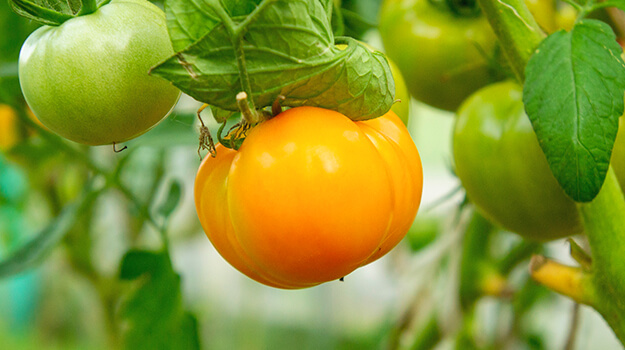
Developed in North Dakota, Golden Bison produces an abundance of golden-yellow tomatoes with light green shoulders. Its sweet fruits are as beautiful as they are delicious.
Which cherry tomatoes produce the most in zone 5 and above?
Sun Gold cherry tomato (hardiness zone 3b and above):
Very sweet, fruity and with no acidity, Sun Gold is like candy. Its unparalleled productivity makes it a firm favourite among orange cherry tomatoes in zones 5 to 9 (it is grown under tunnels in zone 3).
Sakura F1 cherry tomato (hardiness zones 5 to 9):
A deep red, firm cherry tomato that is very resistant and ultra-productive. Its superb, sweet clusters successfully withstand periods of intense heat, offering a high yield over a long period.
Black Cherry cocktail tomato (hardiness zone 3b and above):
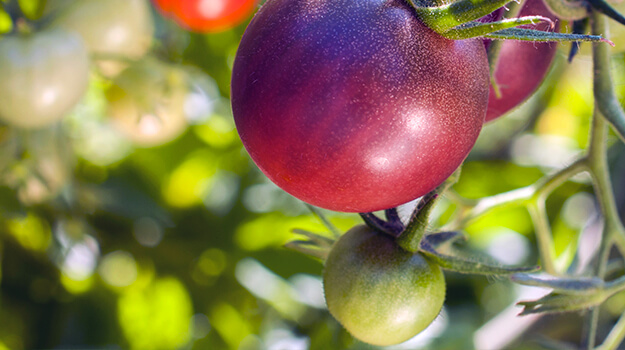
A black cherry-coloured tomato with a rich and persistent flavour. It tolerates both hot and cool temperatures.
Stupice tomato (hardiness zones 3 to 7):
A remarkable taste for an early tomato. Its vigorous foliage ensures an attractive plant right up to the end of the season. This cocktail tomato produces over a long period.
Which early tomato varieties should you choose for sauces?
Pomodoro Scipio tomato (hardiness zone 3 and above):
An elongated Italian hybrid tomato. Its thin skin and high pulp content have made it a favourite for sauces and pizzas. It is also disease-resistant.
Opalka tomato (hardiness zones 3 to 6):
A tomato with a pronounced flavour, perfect for thick sauces and preserves. This heirloom variety from Poland, with its trailing habit, produces an abundance of elongated tomatoes.
The best mid-season tomatoes (zones 7-8)
Mid-season tomatoes can be grown in various zones with slight adjustments, such as using shade cloth (20-30%) in areas with scorching summers (zones 7 and 8). It's also important to water them early in the morning to avoid rapid evaporation.
They generally take 70 to 80 days to produce fruits once transplanted into the garden. The varieties suggested here offer the best flavour-to-yield ratio in most hardiness zones.
The best round mid-season tomatoes
Matina tomato (hardiness zones 3-6):
An heirloom variety from Germany that allows for harvesting as early as mid-July in cooler climates. Fast-growing, Matina produces beautiful clusters of 5 to 10 perfectly round, red fruits. Reliable and disease-resistant, it's an excellent choice for organic gardening. It is also well-suited to small gardens or balcony gardens.
Celebrity F1 tomato (hardiness zone 4 and above):
A standard of reliability over the years. Easy to grow in full sun, it is resistant to several diseases. In zones 5 to 9, it offers a high yield of large, firm, red fruits. Its balanced flavour makes it an excellent tomato to eat fresh, in salsas or in sauces.
Lemon Boy F1 tomato (hardiness zone 3b and above):
An organic heirloom tomato with a beautiful, deep yellow colour and a sweet, slightly tangy flavour. Highly productive and disease-resistant, the Lemon Boy F1 tomato is perfect for burgers, salads, sandwiches, salsas and more.
The best mid-season cherry tomatoes
Pink Bumble Bee tomato (hardiness zone 3b and above):
A vigorous and compact plant producing beautiful clusters of pink tomatoes with gold stripes. Top chefs appreciate its firm texture, exceptional colour and surprisingly sweet flavour. Gardeners value its high yield and resistance to cracking.
Sunpeach tomato (hardiness zones 5 to 8):
A cherry tomato similar to the Sun Gold tomato, with one added advantage: its fruits are not prone to cracking.
Green Grape tomato (hardiness zones 9 to 11):
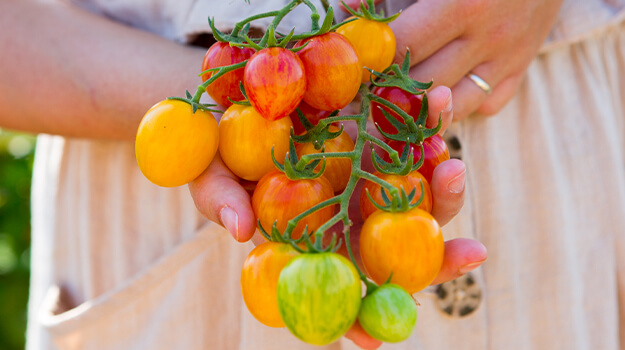
We love its tropical notes and beautiful green colour, which perfectly complements the cherry tomato colour palette, ranging from yellow to burgundy, including orange, pink and red.
Which tomato varieties make good sauces?
San Marzano tomato (hardiness zones 5-10):
Renowned for making superior sauces, San Marzano is so highly regarded that breeders have improved it many times. A must-have, but it does require warmth to produce abundantly. An excellent choice for zones 5 to 9.
Roma VF tomato (hardiness zones 2 to 10):
Another classic variety prized for its flavour, rich colour and ideal texture for preserves. It offers good resistance to diseases.
Late-season tomatoes: which varieties to plant for amazing yields?
Rich in flavour and colour, these tomatoes produce later in the season, 80 days or more after being transplanted into the garden. They often need a long summer and a very sunny fall to reach their full potential. Well-suited to warm climates, they can produce good results in zone 5 and above.
Many late-season tomatoes can easily grow 2 metres tall, and their fruits can weigh over 500 g. In fact, fruit size is often related to the time it takes to ripen. Thus, late-season tomatoes can produce larger fruits… provided they receive full sun well into fall.
Tip: In zones 3 and 4, the season is short. If you want to grow these tomatoes, buy well-developed plants from your local garden centre. You'll be able to enjoy beefsteak tomatoes during summer!
Our favourite late-season tomatoes
Beefsteak tomato (hardiness zone 3 and above):
Often mistaken for a beefsteak tomato, its name comes from its heart shape. The Italian Cuor di Bue is an heirloom variety with dense, sweet flesh and few seeds.
Green Zebra tomato (hardiness zone 5 and above):
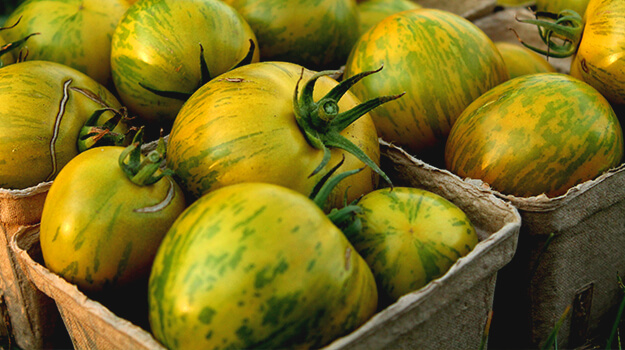
A spectacular green tomato with gold stripes and emerald, green flesh! Its delicately sweet and tangy flavour is perfect for salads, gratins and even sorbets. Because it holds its shape well when cooked, it's also an excellent choice for grilling or stuffing. Green Zebra needs warmth but tolerates rain well.
Tip: How to tell if a green tomato variety is ripe? Visually, their skin begins to yellow slightly, and they become softer when gently pressed.
Which beefsteak tomatoes should you grow?
Beefsteak tomatoes are distinguished by their ribbed appearance and impressive size, making them excellent choices for sandwiches, grilling and stuffing. The most famous varieties include the Rose de Berne, considered by many to be the best tomato in the world, the Black Krim, a dark and very flavourful tomato, and the Supersteak, whose fruits can weigh up to 1 kg.
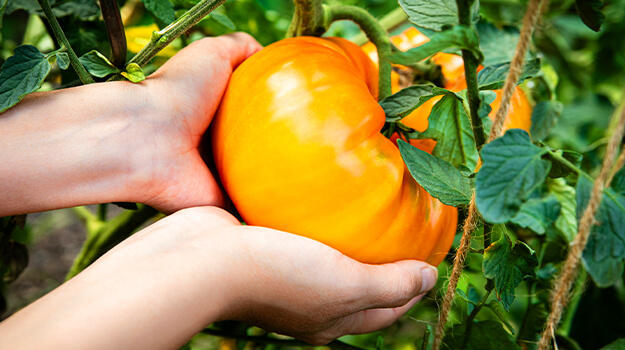
Here are some other varieties to try:
Brandywine tomato (hardiness zone 4b and above):
An heirloom tomato with a beautiful deep red colour and a smooth, melting texture that needs to ripen in the heat to reach its full potential. The plant is disease-resistant.
Pineapple tomato (hardiness zone 3b and above):
An amazing heirloom variety, originally from Kentucky, with yellow fruits streaked with red that can weigh up to 1 kg. Its unique flavour is sweet and very aromatic, with low acidity.
Tip: How to tell if a Pineapple tomato is ripe? Gently feel it. It will be slightly soft to the touch. Twist it, and it will easily detach from the plant.
Cherokee Purple tomato (hardiness zone 3 and above):
This heirloom variety is said to be a legacy of the Cherokee tribe. Its fruits combine shades of pinkish-purple, brown and violet with green shoulders. The plant isn't very productive, but Cherokee Purple is prized for its unique, slightly smoky flavour.
Mortgage Lifter tomato (hardiness zone 3):
An old variety with legendary productivity. Its deep pink, fleshy fruits with orange highlights have a sweet flavour and contain few seeds.
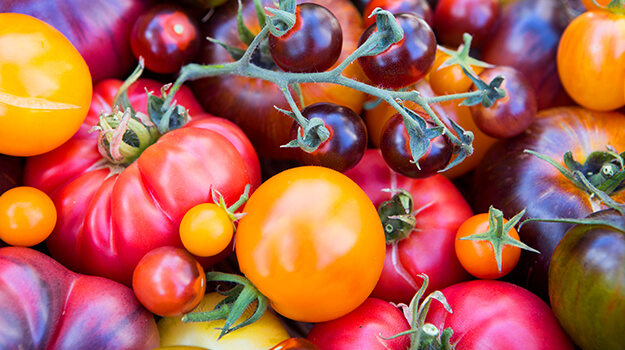
Why grow late-season cherry tomatoes?
Late-season cherry tomatoes help extend the season. Because they take longer to mature (80 to 100 days), they are harvested from late August until the first frosts, when early varieties slow down their production.
Here are some varieties that offer an abundant and sweet fall harvest:
Gardener’s Delight tomato (hardiness zone 3):
This variety continues to grow and produce until the first frosts, reaching 2 metres (6 feet) or more. Resistant to harsh weather conditions, it produces small, extremely sweet fruits, perfect for snacking, salads or dried.
Chocolate Pear cherry tomato (hardiness zones 3 to 9):
This variety is known for its abundance of pear-shaped fruits that are chocolate brown in colour with green and red highlights. Enjoy them as a snack, in salads or roasted in the oven.
Sweet Gold tomato (hardiness zone 3 and above):
This beautiful yellow tomato, which turns orange when ripe, falls somewhere between a cherry tomato and a cocktail tomato. It is very productive and resistant to cracking.
Champagne cherry tomato (hardiness zone 3):
Late-ripening but very prolific, this tomato, originally from France, produces small, translucent, champagne-coloured fruits from mid-season until the first frosts. Its mild flavour is deliciously sweet.
Discover other exceptional tomatoes to grow in your garden in our other article.
Our best tip for growing tomatoes in very hot climates
Plant earlier in spring (February–March) and/or fall (September) to avoid fruit set (the period when the flower transforms into fruit) occurring in July or August. Pollination would be poor, flowers would fall off too quickly, the harvest would be disappointing, and the fruits would be small, misshapen or of poor quality.
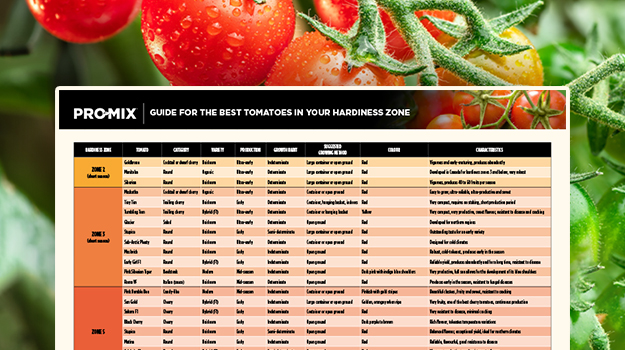
Want to grow different tomato varieties this season and try new ones without the risk of disappointment? Download our Guide to the best tomatoes to grow according to your hardiness zone now.


