
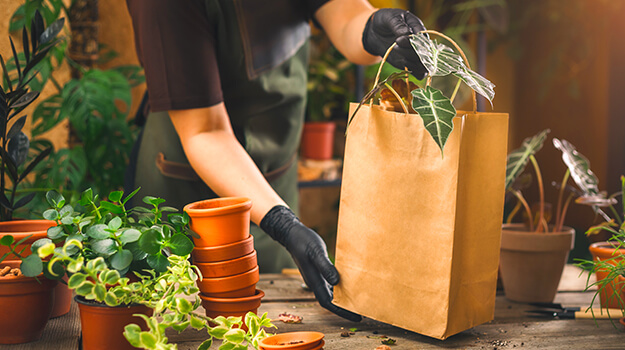
1. Inspect the plant carefully before purchasing
Thoroughly inspect the plant from the top to the bottom of the pot! Inspect the leaves, stems, nodes (where the stems start) and flowers. Don't forget to look at the underside of the leaves and the surface of the potting soil. Look for the presence of insects or signs of infestation such as webs, droppings, leaf damage (tiny holes, grey or silver spots, sticky substance, etc.).
There's no point in buying trouble. If you suspect insects, buy the plant you want from another store. Even if the price is incredibly tempting!
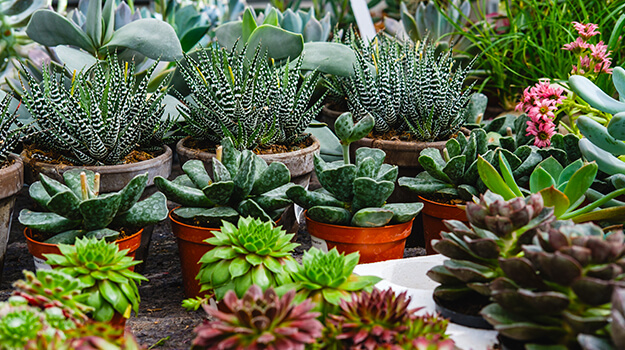
2. Remove damaged leaves
A damaged or yellowed leaf is not necessarily a sign of insect infestation, but it can sometimes be a good indicator. There's a good chance that insects, larvae or eggs are still present.
A damaged or yellowed leaf will never regain its former appearance. Removing damaged leaves and flowers beforehand will make the treatment easier.
3. Wash your plants
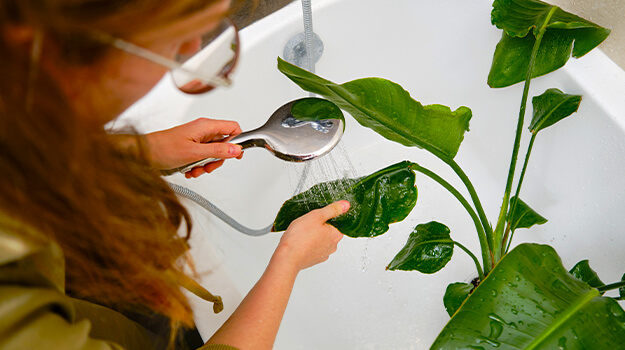
Giving your plants a good wash before bringing them indoors and treating them is an excellent idea. A fairly powerful jet of water will remove many insects (such as aphids) from the stems and leaves. Don't forget to spray the underside of the leaves.
Don't stop there! To get rid of insects, you must treat them.
4. Treat without exception!
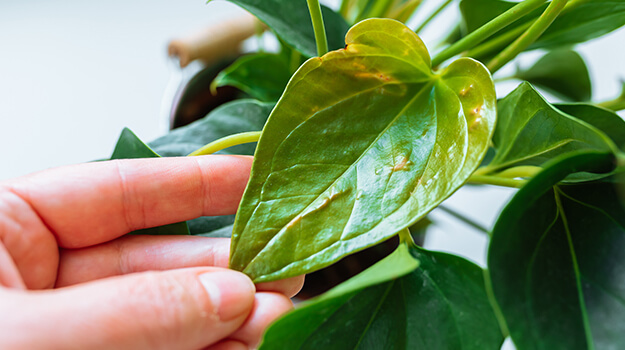
Most insects that attack houseplants are tiny, adept at camouflage or more active at night. Just because you don't see anything doesn't mean there isn't anything there. Automatically treat any new plant... even if it comes from a friend who says they don't have insects! Also treat your plants that have spent the summer in the garden before bringing them indoors in the fall.
Use insecticidal soap or black soap. Apply the product to the entire plant as well as to the surface of the soil. Insecticidal soap and black soap are more effective than homemade products, safe for most plants, and can be repeated as needed. Follow the manufacturer's recommendations. If you're unsure about a particular plant, check the label or test the product on a single leaf before treating the entire plant.
5. Soak the pot
Some insects, their larvae or eggs may be hidden in the potting soil. To dislodge or kill them, soak the pots in a bathtub or a large bucket of water for 15 to 30 minutes. The root ball should be completely submerged. For greater effectiveness, add a small amount of black soap or insecticidal soap to the soaking water.
6. Change the soil
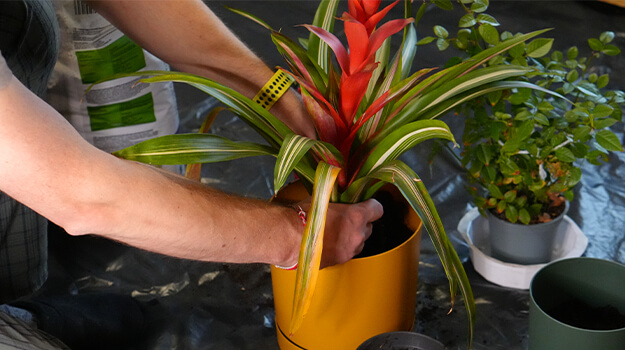
Changing the potting soil of a new plant or one brought in from outdoors is always a good idea. This helps eliminate the insects, larvae and eggs that may be present. (For some insects, the larvae hidden in the soil are more damaging than the adults you see.)
This is a good time to get rid of old soil that has depleted its nutrient reserves and no longer retains water. Choose a quality potting soil suitable for growing in pots, such as our Potting Mix, or a soil specially formulated for a specific type of plant, such as our Cactus Mix. They contain sphagnum peat moss, a quality fertilizer and all the nutrients your plants need to thrive.
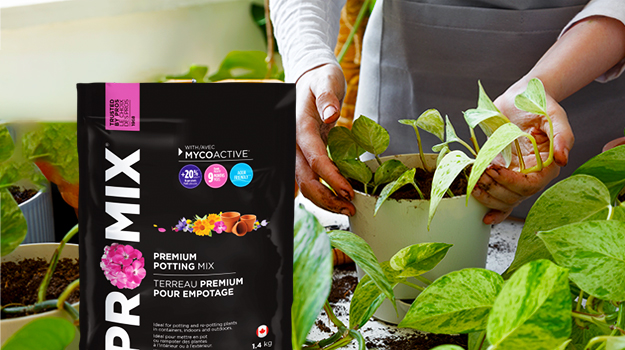
Take this opportunity to inspect the roots. Healthy roots are firm and white or light brown. Remove any blackened, soft, mushy or slimy parts. You may also notice swollen roots. Swollen, unhealthy roots usually indicate an excess of water or moisture has been absorbed too quickly. On the other hand, if the roots are swollen and healthy, there's no cause for concern. This is a natural adaptation of the plant that allows it to store nutrients.
Before repotting your plant, clean the pot inside and out. Loosen the roots if they are too tightly packed and curling. This will help your plants grow better.
TIP : Is your plant too cramped in its pot? It's time to change it. Choose a pot that's 1 or 2 cm larger in diameter than your old one.
7. Isolate new plants or those you’ve just brought in
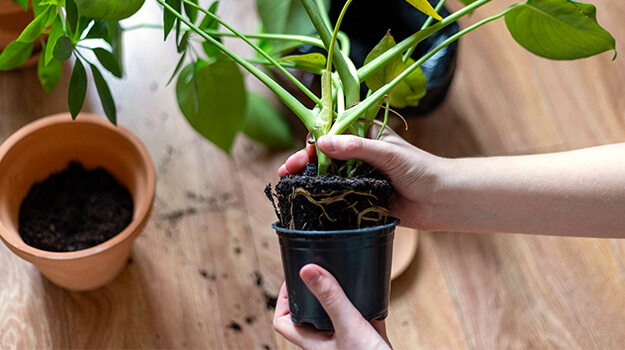
Quarantine new or newly brought-in plants, even if you've treated them! This will allow you to better monitor them in case any eggs or larvae have managed to escape you.
TIP: Scale insects are difficult to see and even harder to remove. The best way to control them is to apply an insecticidal soap solution over the stems and leaves with an old toothbrush.
How to quarantine a new plant
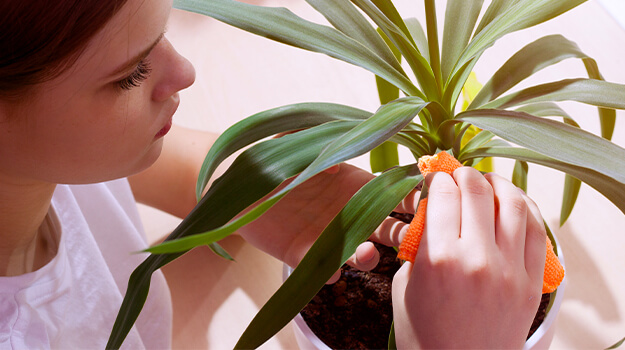
Even if the store or friend you’ve bought it from seems trustworthy, it's best to quarantine your new plant. Some insects are practically invisible... until they breed in large numbers and you're faced with an infestation that will jeopardize all the plants you have at home.
Move your plants to another room for the next 5 to 6 weeks. Check the plant and soil regularly for insects or signs of insects.
Finding a room with a free window isn't always possible. If this is your case, quarantine the plants one or two metres away from your other plants.
TIP : Too short on space to isolate your new acquisition? Place your new plant in a clear plastic bag next to the others. However, keep it away from windows and only water as needed. The temperature inside the bag will be similar to that of a mini greenhouse. So make sure to meet your plant's needs.
