
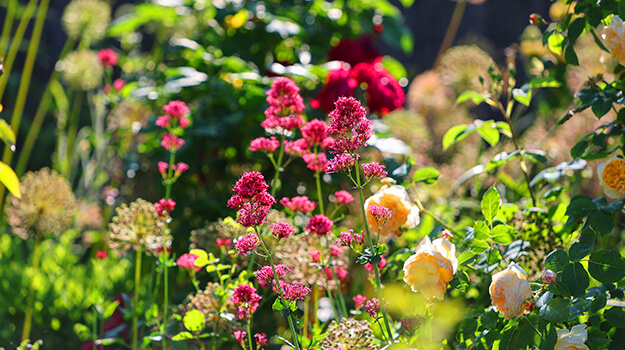
Propagating perennials by division is so common that we almost forget other options exist. Some varieties, however, are easy and fun to grow from seed. You can get the seeds you want from a friend's garden, your local seed library (it's free!), or buy them online or in stores. Want to give it a try?
What are the advantages of sowing seeds?
Just like annual flowers, vegetables or herbs, perennials are grown from seed to obtain a large quantity of plants at little cost. People also sow seeds to gain access to new, rare or highly sought-after horticultural varieties that are too expensive or difficult to find at garden centres. With a little research, you can usually find these exceptional varieties seen on Instagram or in a collector's garden.
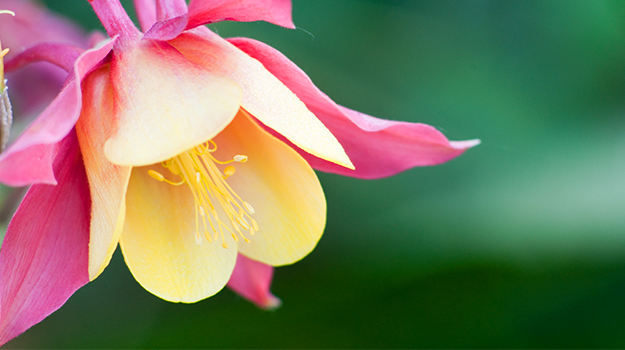
Some gardeners simply start seeds indoors to enjoy earlier blooms, to share them with a relative or friend, or to have the option of planting them in a specific spot. If you grow columbines, you know how readily they self-seed. It's impossible to predict where they'll appear from one year to the next.
Finally, other gardening enthusiasts do it simply for the pleasure of growing their own flowers.
Are seedlings identical to the mother plant?
By growing your perennial flowers from a packet of commercial seeds, you ensure that you will get a flower that matches the image on the packaging. With seeds harvested from the garden, it is not uncommon for the new plants to have different characteristics.
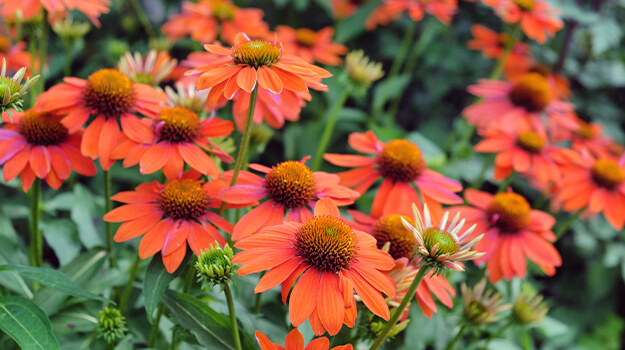
For example, new cultivars of orange or red-flowered echinacea, when grown alongside purple varieties, will often be subjected to cross-pollination that will produce offspring ranging in colour from pale pink to purple.
If you like surprises, try sowing seeds! Even if the resulting flower isn't what you expected, you're unlikely to be disappointed!
Is it better to start flowers from seed?
Not all perennials are easy to grow from seed. Some absolutely need cold temperatures to germinate. They must therefore survive a winter or spend a few days in the refrigerator. Others, like peonies, will take two years to emerge from the ground. Finally, many will not bloom in their first year.
As mentioned earlier, new plants grown from seed may have different characteristics from the original plant: flower size and shape, colour, plant height, etc. Cultivars labelled "horticultural selections," in particular, will not be identical to the mother plant.
Thus, perennials that self-seed readily in the garden are easy to grow from seed. For others, vegetative propagation (by cuttings or division) is the simple, quick and reliable option for obtaining new plants.
Division by clumps or propagation from root cuttings allows for the preservation of the genetic characteristics of the original plant.
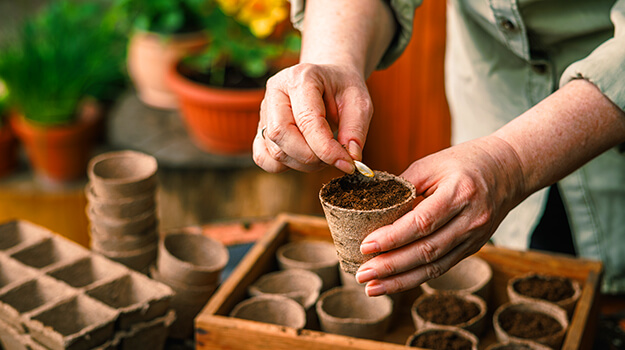
The 7 keys to successful indoor sowing
1. Growing medium: It must be light and aerated, and retain moisture without becoming waterlogged.
Our recommandation: PRO-MIX Organic Seed Starting Mix.
2. Planting depth: Unless otherwise indicated on the packet, plant seeds at a depth two to three times the diameter of the seed.
Note: Some seeds need light to germinate and should be barely covered!
3. Watering: The soil should remain constantly moist but never waterlogged (like a wrung-out sponge).
4. Light: The light must be adequate, or your seedlings will quickly become weak and spindly. Use grow lights if necessary.
5. Temperature: It must be stable, as germination can fail if there are significant fluctuations. Using a heating mat is a good idea.
6. Aeration: To limit diseases and avoid damping-off, good air circulation must be ensured.
7. Fertilization: Like all plants, seedlings need to be fed! Because they are fragile, it is important to know when and how to fertilize seedlings.
Also learn how to acclimate your seedlings before exposing them to the outdoors. Even if you have opted for hardy perennials, they will need to acclimate to their new environment and will require minimal care (such as regular watering) until they are well established.
Which perennials can be sown directly in the garden?
Many perennial flowers require cool, humid temperatures to germinate. This is essential to break their natural dormancy. This process, called stratification, can last from a few weeks to a few months. This makes starting seeds indoors a bit longer and more complicated.
These flowers therefore benefit from being sown directly outdoors, particularly when natural conditions can support this process. Mother Nature will take care of initiating the germination process!
Planning to start your perennial flower seeds indoors early in the year? The process isn't too complicated, even though the chosen seeds need a few weeks in the cold to germinate. To successfully cold stratify, simply follow the steps. If you have space in your refrigerator and some time to spare, it will be a breeze!
Check out our perennial flower sowing guide to determine which method to choose.
Is it possible to sow perennials in the garden in fall?
Perennials that require a period of stratification (a period of cold, damp conditions) for their seeds to germinate benefit from being sown directly in the garden in fall. This saves work, as the process will occur naturally during the cold season.
They can also be sown in the garden in spring, once the soil has warmed up. More often than not, you will have to wait a year before seeing them flower because they will not be sufficiently developed during their first summer.
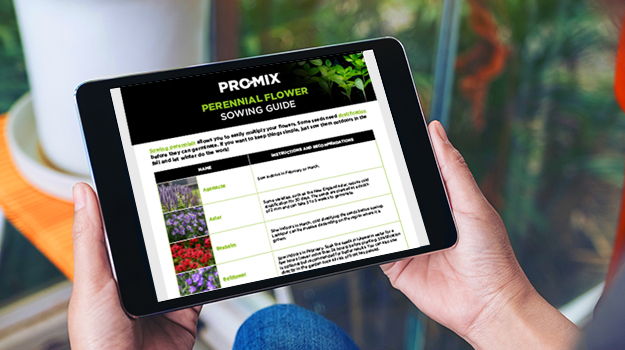
Good to know: Perennial flower seeds that are sown directly in the garden in fall can also be sown directly in the ground in spring. Those that need cold weather to germinate will simply take longer to sprout!
What is a non-hardy plant?
Many perennial plants are available as seeds, but be aware that not all of them are necessarily suitable for your garden.
Check the hardiness zone before buying to choose plants suited to your region. If the plant is not hardy in your area, it will have to be grown as an annual… It will therefore be best to sow it indoors to fully enjoy it during the single summer it will live.
If you plant it directly in the garden in fall, as is often done with perennial flowers, you will never see it develop since it will not survive the winter.
Once it has flowered, you can harvest the seeds to repeat the process the following year. Even if the resulting flower isn't identical to the original one, you're very likely to be pleasantly surprised!
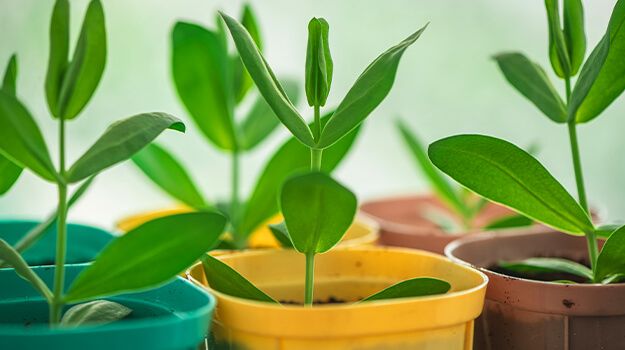
Caution: invasive species!
The perennial flowers that are easy to sow also self-seed readily in your garden. Before introducing a species, make sure it won't be too difficult to prevent it from spreading. Also check if the species is invasive or even prohibited in your area.

